Component 1
Manage climate-induced threats to forest biodiversity.
Component 2
Develop income-generating activities to finance threat-reduction measures
Component 3
Knowledge management, monitoring and evaluation and gender mainstreaming




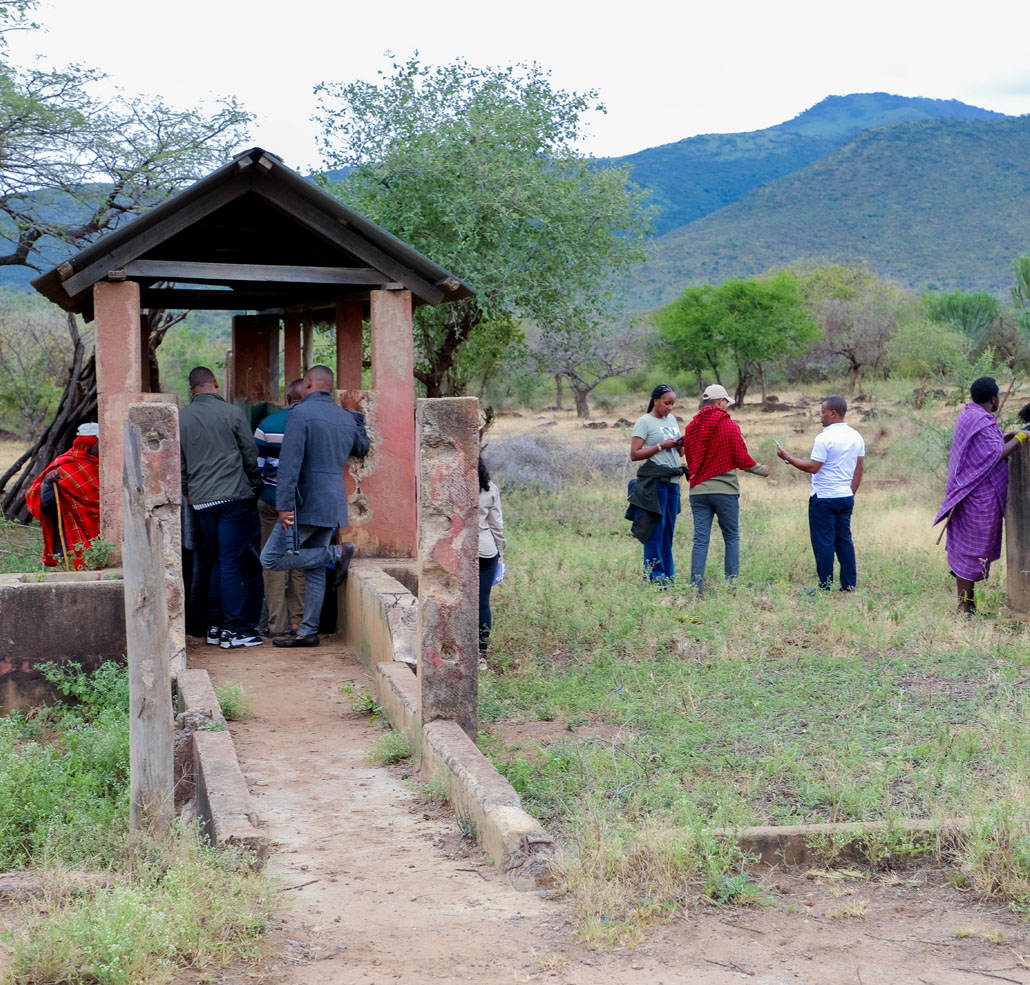


The BUREFOBI project is focused on building a conducive environment to promote ecotourism and mitigate the threats from habitat degradation and climate change through three components
Manage climate-induced threats to forest biodiversity.
Develop income-generating activities to finance threat-reduction measures
Knowledge management, monitoring and evaluation and gender mainstreaming

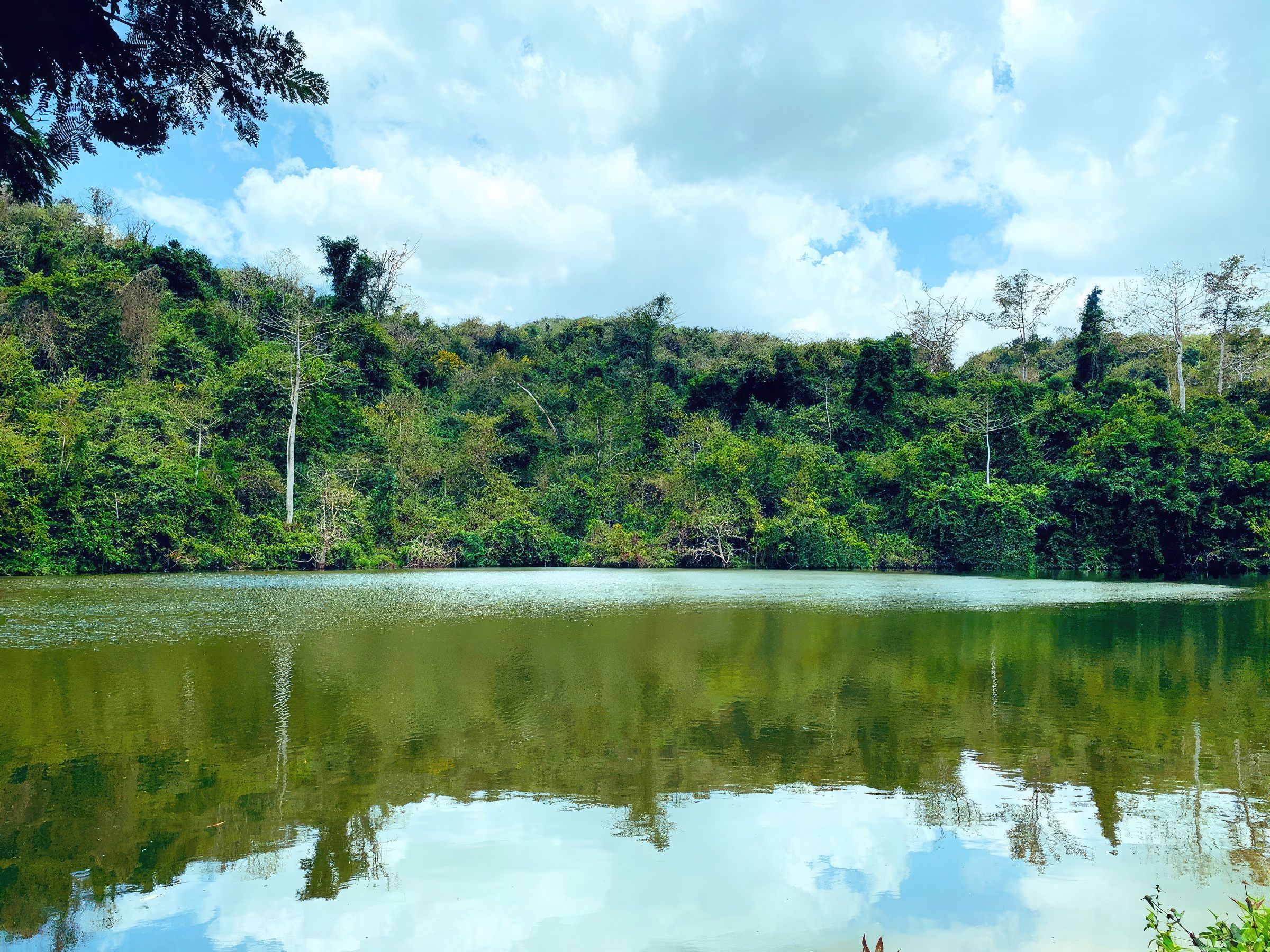

Nature Forest Reserve (NFR) is a national Forest Reserve (FR) managed for conservation and offers the highest level of protection (consistent with IUCN Category is Strict Nature Reserves) for natural forests under the Forest Act. However, a number of NFRs still have limited in situ operational capacity and whose forest habitats and species are increasingly coming under threats from unsustainable agricultural practices and production systems; intensifying pressure for agricultural land; increasing demand for fuelwood and charcoal; uncontrolled, damaging wildfires; spread of invasive alien species (IAS); and ongoing habitat fragmentation. This project will focus on building conducive environment to sustain the threats from habitat degradation and climate change.
The improved governance, operations and financial management of NFRs enhances the resilience of their forest biodiversity to the threats of climate change.
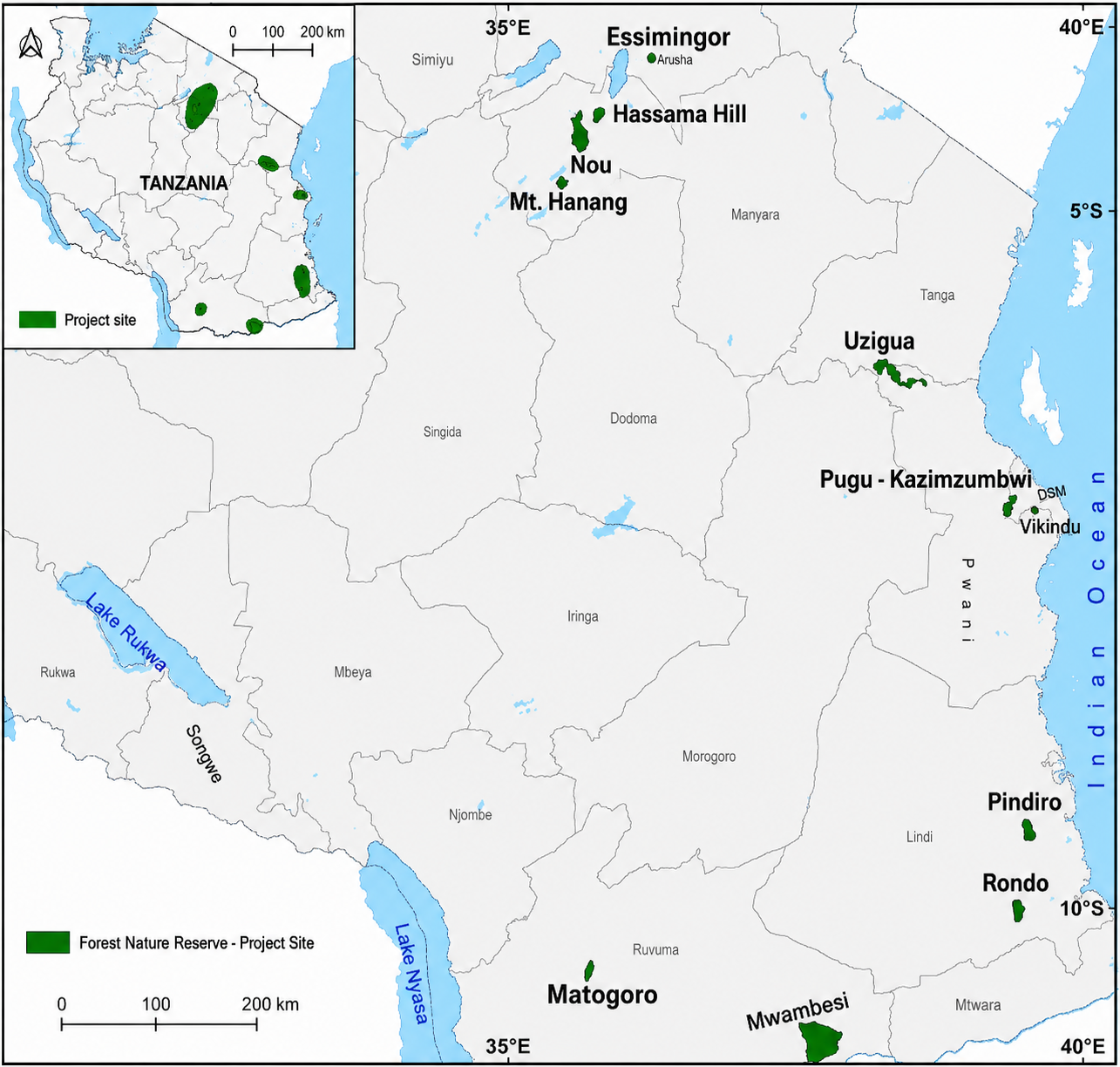
The nine selected project sites include Mt. Hanang, Pindiro, Rondo, Pugu–Kazimzumbwi, Uzigua, Mwambesi, Essimingor, Nou, and Hassama Hills.
The project is grounded in Tanzania’s strong policy and legal framework, ensuring long-term institutional ownership and sustainability of project outcomes across National Forest Reserves (NFRs).
The initiative supports biodiversity conservation, protection of indigenous species and habitats, and climate-resilient forest management through integrated plans and agreements aligned with Tanzanian laws and policies.
The project also strengthens long-term conservation financing mechanisms to sustain effective management of NFRs beyond the project lifespan.

National Forest Reserves supported through sustainable conservation and climate resilience initiatives.

© BUREFOBI-NFR All Rights Reserved By Tanzania Forest Services Agency